
Comfort is planned before treatment
Feeling apprehensive about an injection is understandable, especially after an uncomfortable experience elsewhere. Explain any previous difficulty and any reaction to local anaesthetic before the procedure. The team can talk through what will happen and how you can communicate discomfort.
Local anaesthesia is part of the published protocol
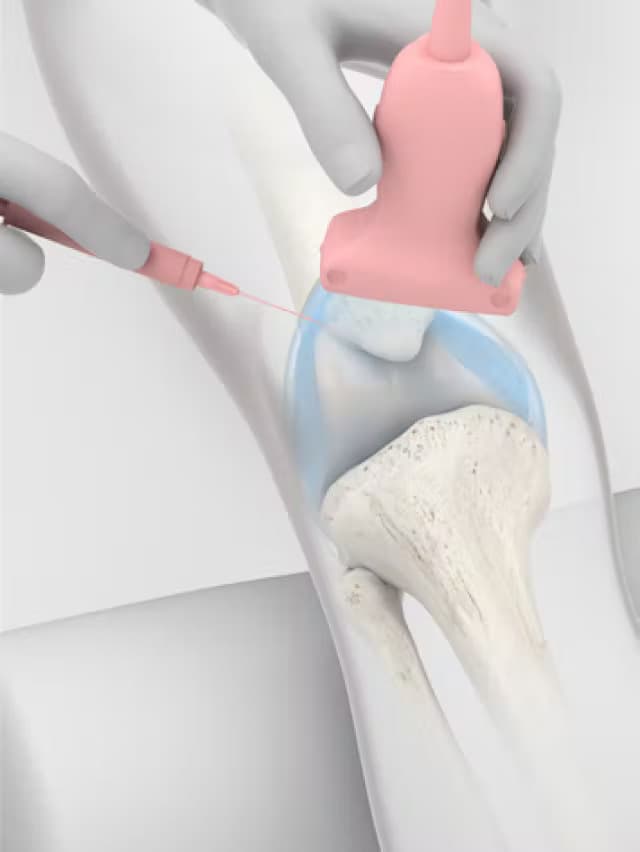
Professor Lee’s co-authored knee cohort describes local anaesthesia and ultrasound guidance before Arthrosamid delivery. The manufacturer also requires local anaesthesia. These measures support a more comfortable and controlled procedure.
People experience injections differently. The aim is good pain control, rather than a promise that every injection will feel entirely painless.
If you feel burning or pressure
Tell the clinician while it is happening. There is no need to stay silent or assume discomfort is something you must tolerate. Describing the sensation gives the clinician useful information during the procedure.
A burning sensation alone does not identify its cause. The clinician can assess what is happening and decide how to proceed.
After the anaesthetic wears off
The manufacturer describes possible pain and swelling after treatment. Ask about the aftercare plan and how to contact the team before you leave. A comfortable procedure and a comfortable recovery are related but separate parts of the experience.
Seek prompt medical advice for severe or worsening pain, increasing heat or swelling, or feeling unwell. The team should help you distinguish expected recovery symptoms from a problem needing assessment.
Sources and further reading
- Gao et al. (2025): 24-month prospective knee cohort
- Published correction: ethics approval reference
- Arthrosamid instructions for use, October 2025
General information to support a clinical conversation. AMSK and Professor Lee are part of the MSK Doctors group; group publications are identified above.
Editorial review notes · Preview only
Local anaesthesia and guidance verified in cohort section 2.2. Specific drug/dose details and any additional comfort measures need Paul’s confirmation before inclusion.